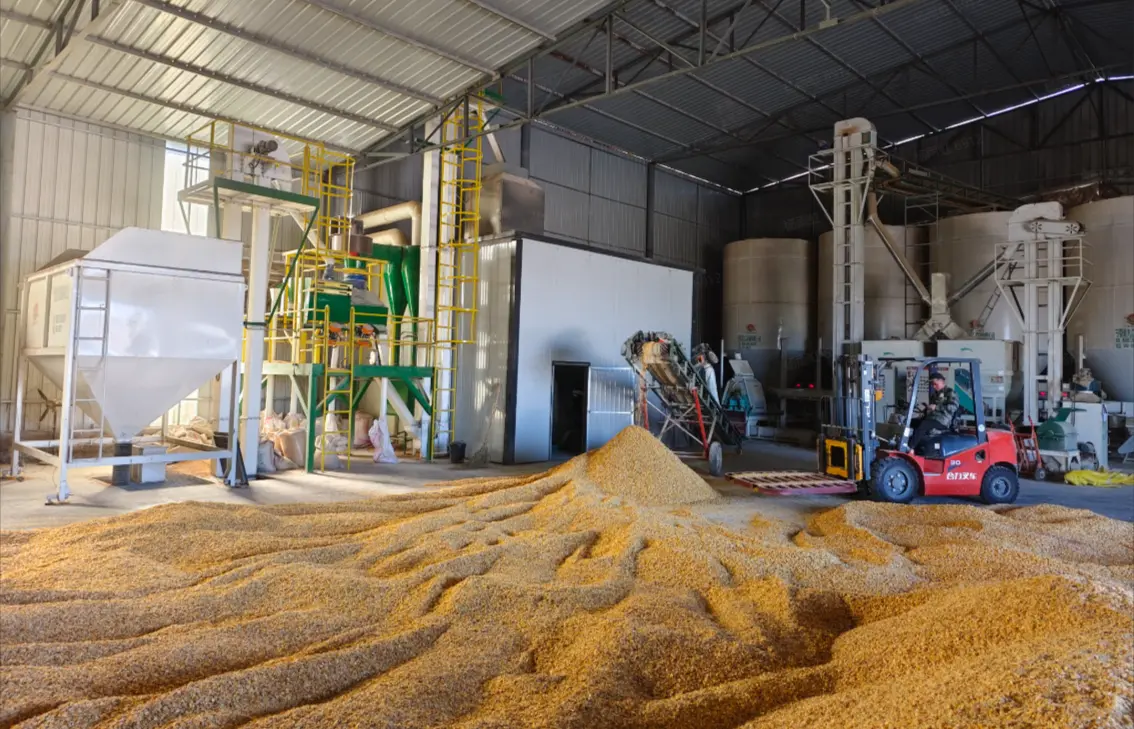
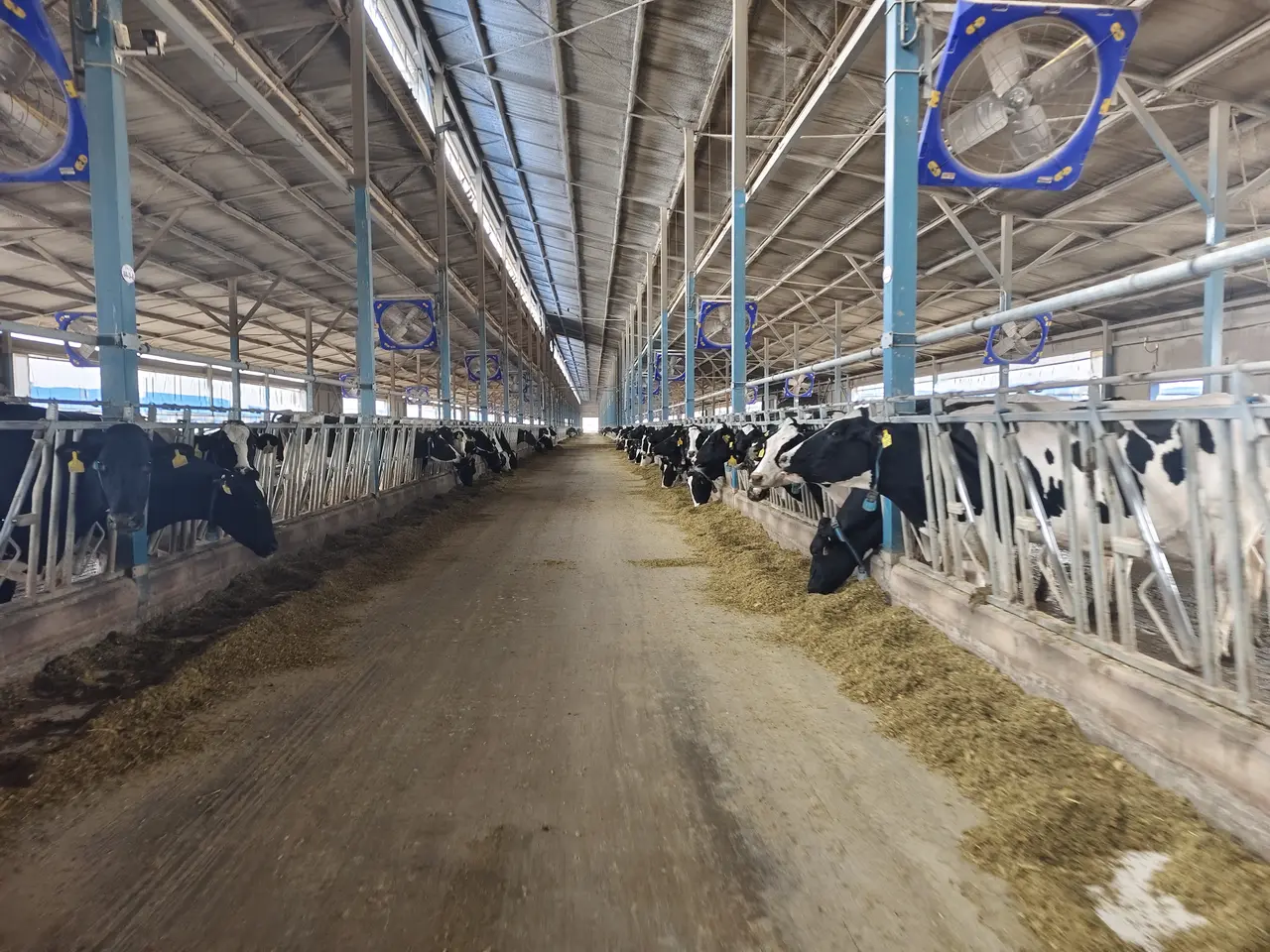
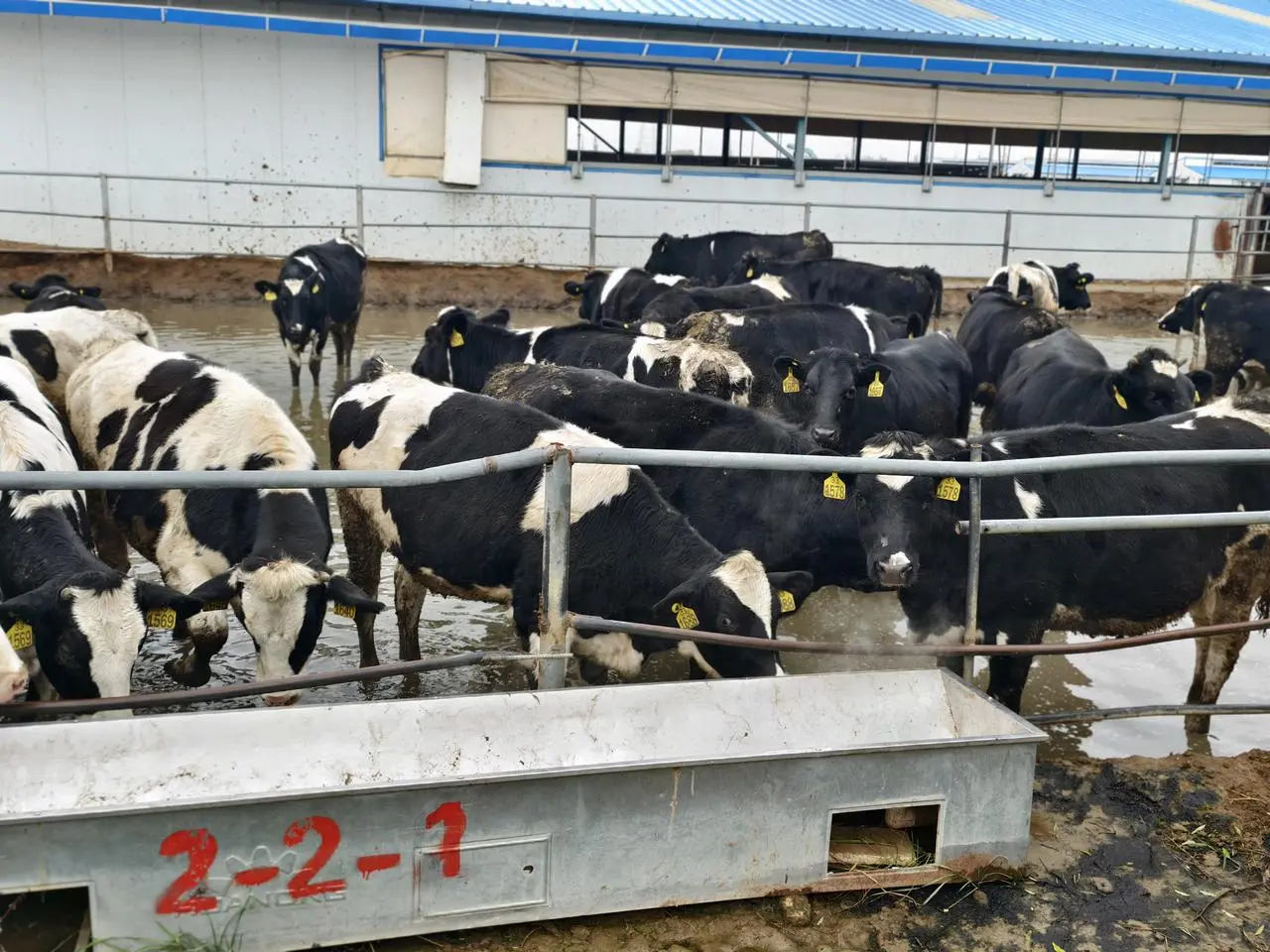
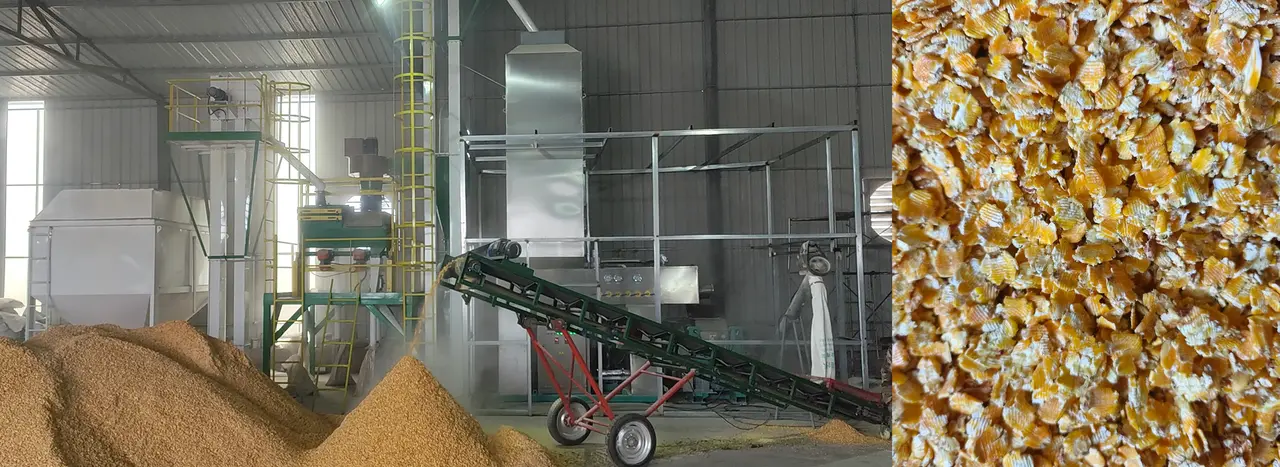
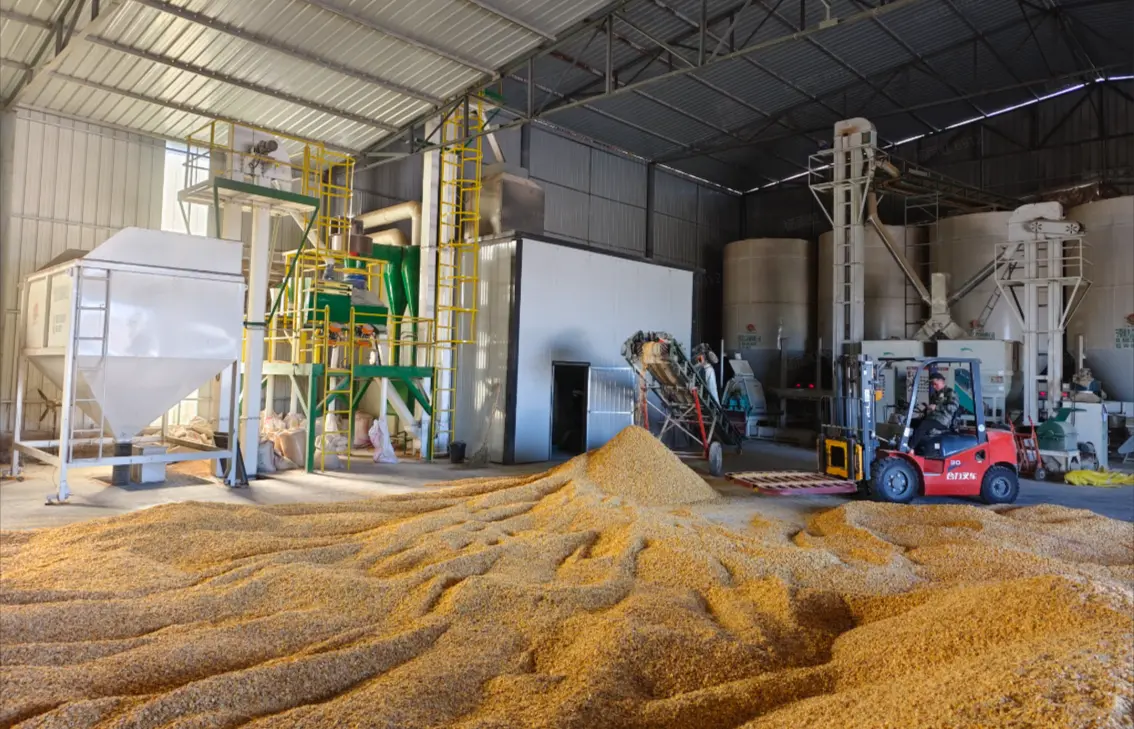
In 2023, Shaanxi Jinhelai Animal Husbandry Co., Ltd. added a steam-flaked corn processing system to its existing farm facilities. With a designed processing capacity of 2 tons per hour, the system was intended to supply steam-flaked corn for the farm's own beef cattle feeding operations.
The project was signed in August 2023 and handed over for operation in December of the same year.
Customer:Shaanxi Jinhelai Animal Husbandry Co., Ltd.
Parent Group:Shaanxi Dadi Seed Industry Group
Location:Yuyang District, Yulin, Shaanxi, China
Project Timeline:Contract signed in August 2023; handed over for operation in December 2023
Application:Beef cattle farming and total mixed ration (TMR) feed processing
Farm Scale:Planned around a beef cattle farm of approximately 5,000 head
Project Type:Addition of a steam-flaked corn processing system to an existing farm
Designed Capacity:2 TPH (2 metric tons/hour)
Main Equipment:Raw grain receiving and cleaning equipment, elevators and conveyors, integrated steam flaking unit
Engineering Features:Adaptation to existing buildings, modification of an existing elevator, and coordination of conveying and TMR interfaces
Project Scope:Process design, equipment manufacturing and supply, installation, commissioning, and operator training
Shaanxi Dadi Seed Industry Group
Based in Yulin, Shaanxi Province, China, Shaanxi Dadi Seed Industry Group began its seed business in 2002. The group has long been engaged in the research, production, and sale of crop seeds, including corn.
In addition to its seed business, the group has invested in beef cattle farming, expanding its operations into both agriculture and livestock production. Shaanxi Jinhelai Animal Husbandry Co., Ltd. is one of its invested cattle farming businesses.
Shaanxi Jinhelai Animal Husbandry Co., Ltd.
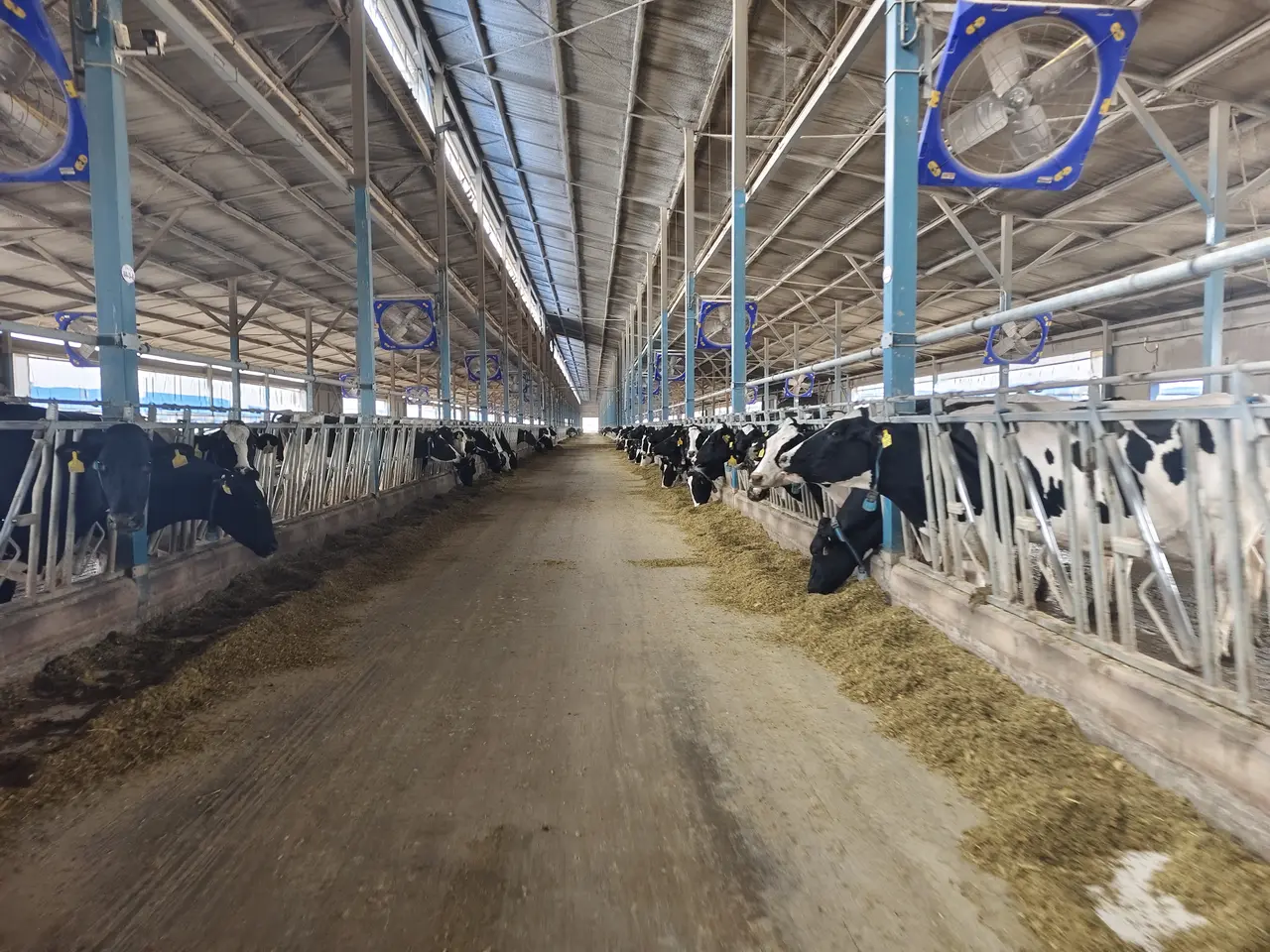
Jinhelai is engaged in beef cattle breeding, fattening, and related feed processing activities. The company operates its own cattle farm with supporting feed production facilities.
These existing facilities provided a practical foundation for adding a steam-flaked corn processing system to the farm.
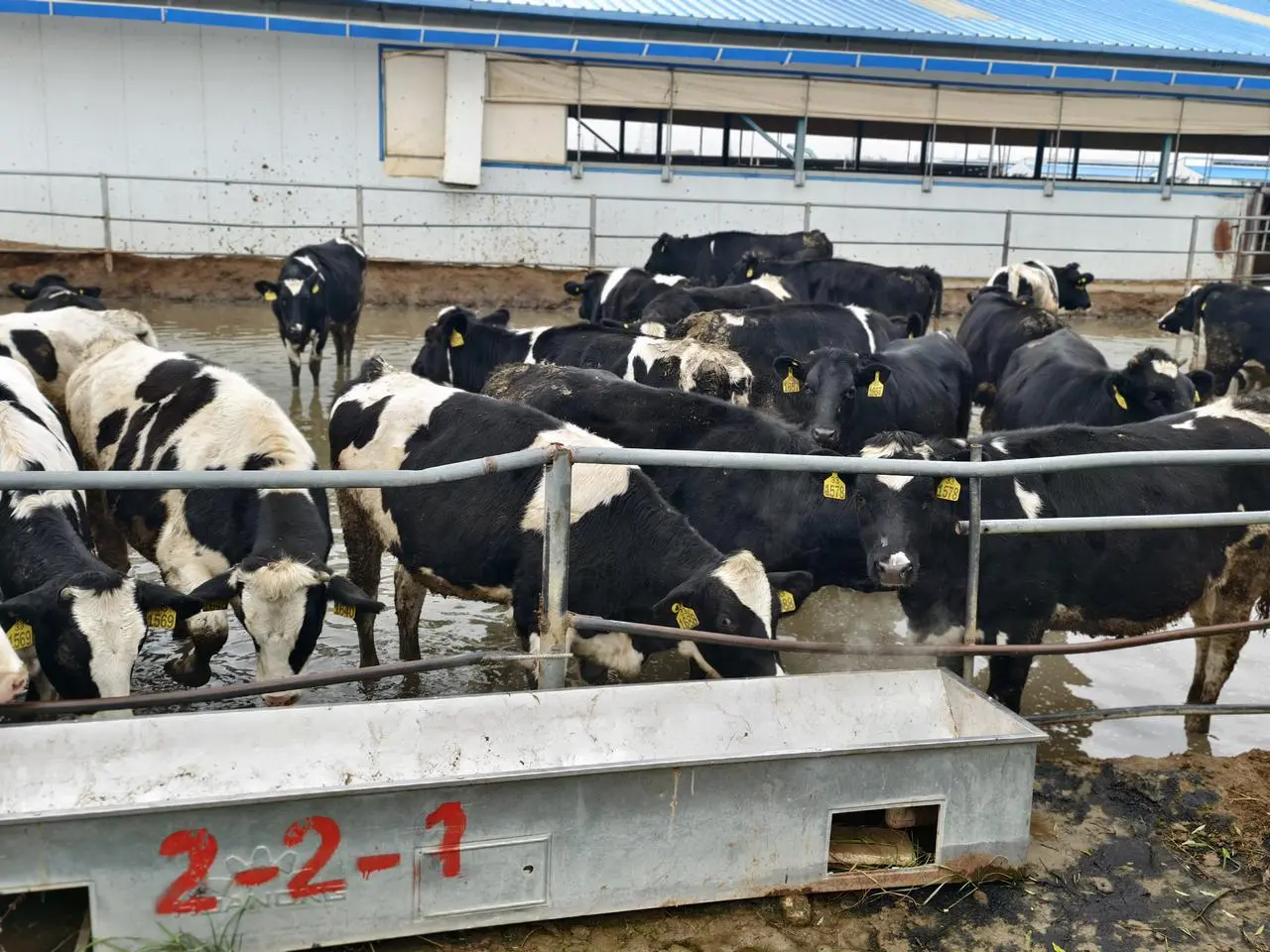
Before the project, Jinhelai mainly used ground corn as a feed ingredient and did not have its own steam-flaked corn processing system.
When the farm planned to introduce steam-flaked corn into its beef cattle TMR feeding program, it had to decide whether to purchase finished steam-flaked corn from external suppliers or establish its own processing facility.
Jinhelai ultimately chose to produce steam-flaked corn on-site.
The goal was not to build a centralized processing plant for commercial sales, but to establish processing capacity dedicated to the farm's daily feed production needs.
During our initial discussions, we worked closely with the customer to understand its actual requirements. Jinhelai wanted the processed corn to move directly into its TMR feeding process without the need for long-term storage, as would be needed in a centralized processing and distribution arrangement. The customer also wanted to make full use of its existing buildings and feed processing facilities rather than construct an entirely new workshop.
The equipment solution therefore needed to consider more than corn consumption and processing capacity. Available building space, raw grain conveying, steam supply, and the downstream TMR workflow all had to be taken into account.
Following these discussions, the project adopted a 2 TPH integrated steam-flaked corn processing system designed for on-farm use.
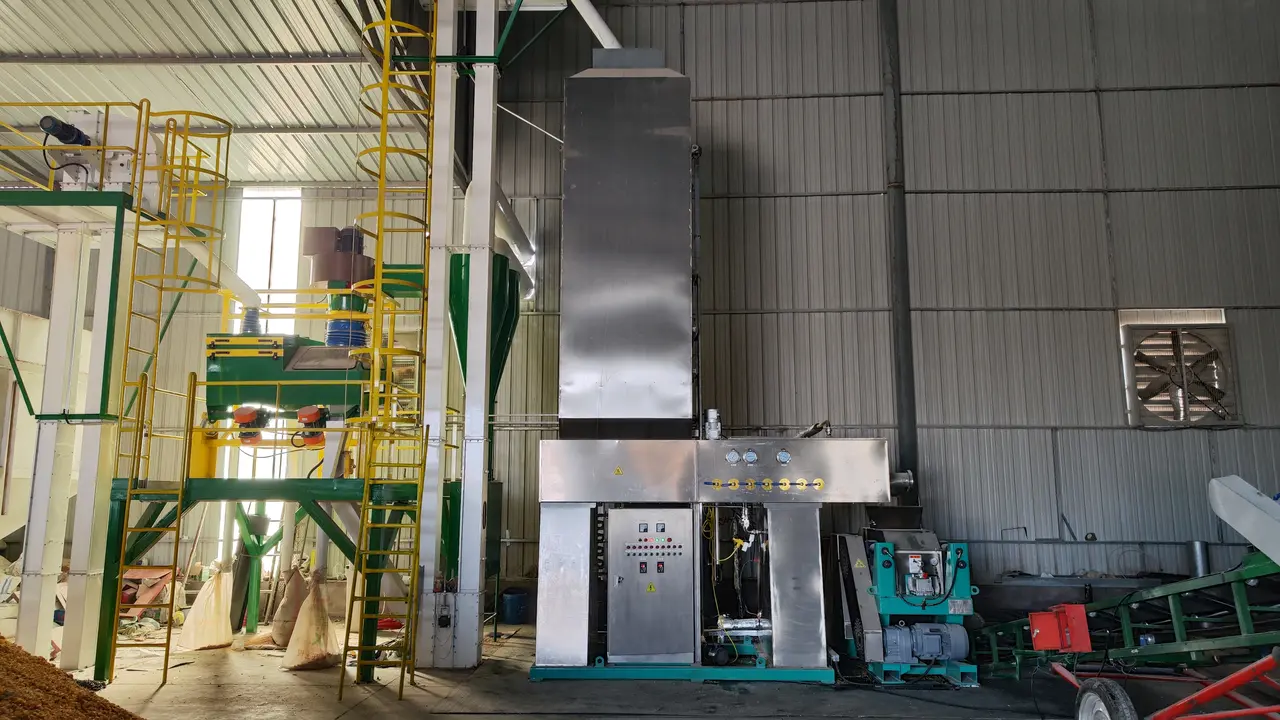
Bellaex has been deeply involved in the feed processing industry for many years and has long been an industry benchmark in China's corn flaking sector. In August 2023, Jinhelai was introduced to us through an industry partner, and we soon began discussing the farm's steam-flaked corn processing requirements.
After learning about the farm's scale, corn consumption, and TMR feeding practices, we recognized that this project required more than a standalone flaking mill. Jinhelai needed a complete solution that could fit into its existing facilities and connect with its current feed processing workflow.
We compared several approaches, including purchasing finished steam-flaked corn, building a centralized processing facility, and installing an integrated on-farm unit. Based on the farm's requirements, we proposed a tailored solution centered on a 2 TPH integrated steam flaking unit.
The proposed process combined basic grain cleaning, steam conditioning, and roller flaking without separate soaking or drying stages, making the processing arrangement more closely aligned with the customer's feeding operations.
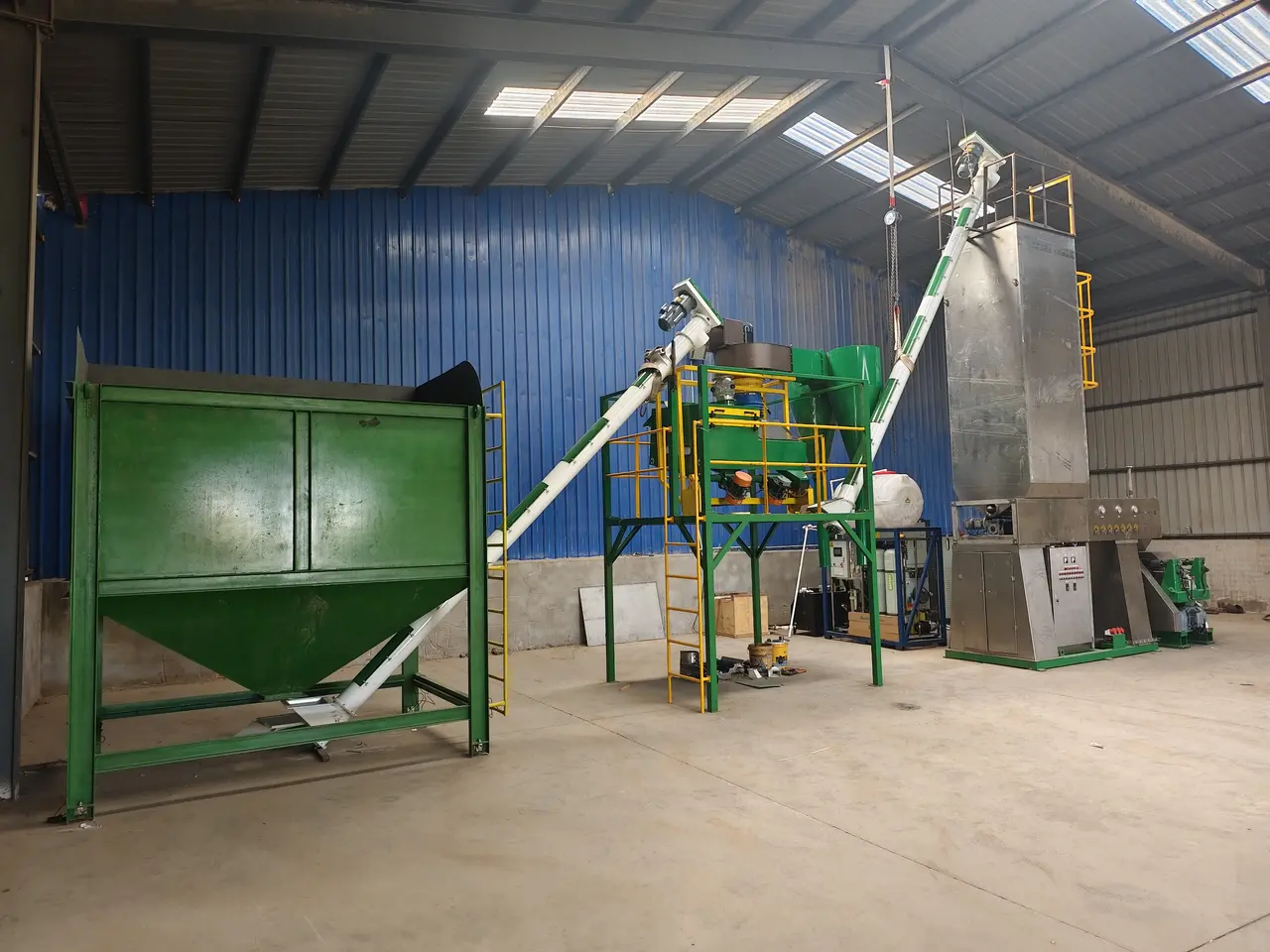
At the same time, our scope went beyond supplying the flaking mill itself. We also provided process design, equipment configuration, and an integrated approach to the site's engineering requirements.
Working around the customer's existing buildings and feed processing facilities, the solution considered equipment layout, modifications to the existing elevator, conveying routes, and downstream interfaces. It also defined the scope of equipment supply, installation, commissioning, and operator training.
From process selection and equipment configuration to integration with existing facilities and on-site implementation, we developed a complete solution tailored to Jinhelai's specific requirements.
On August 31, 2023, both parties signed the contract for the 2 TPH integrated steam-flaked corn processing system, formally establishing the partnership.
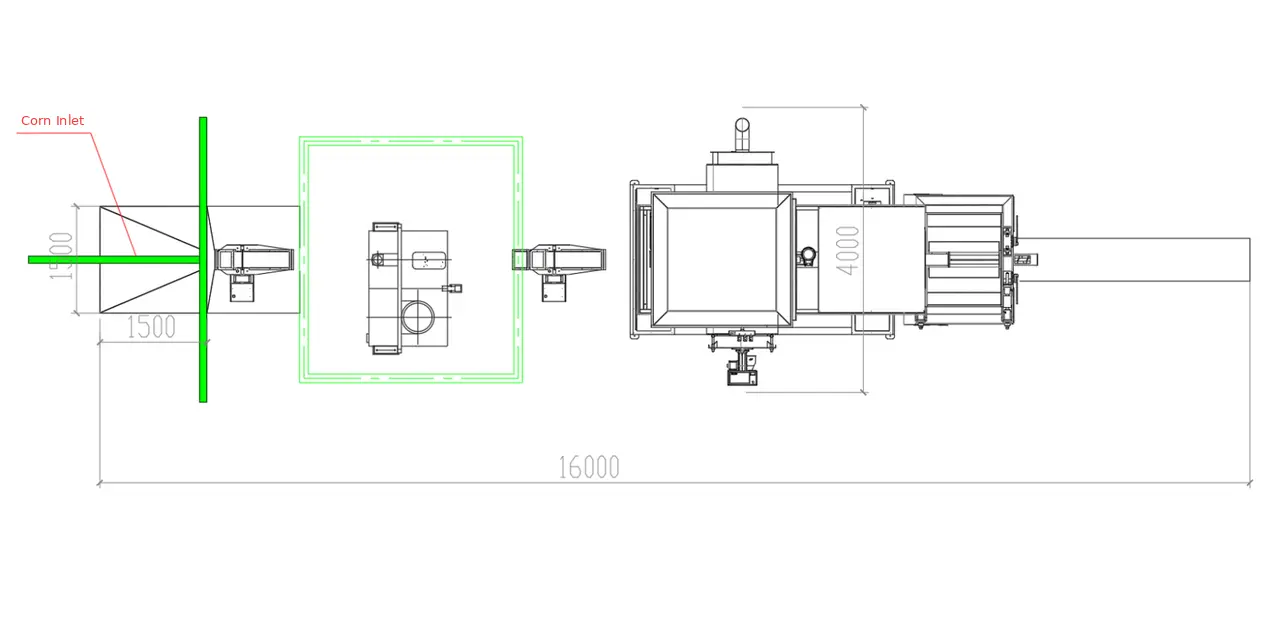
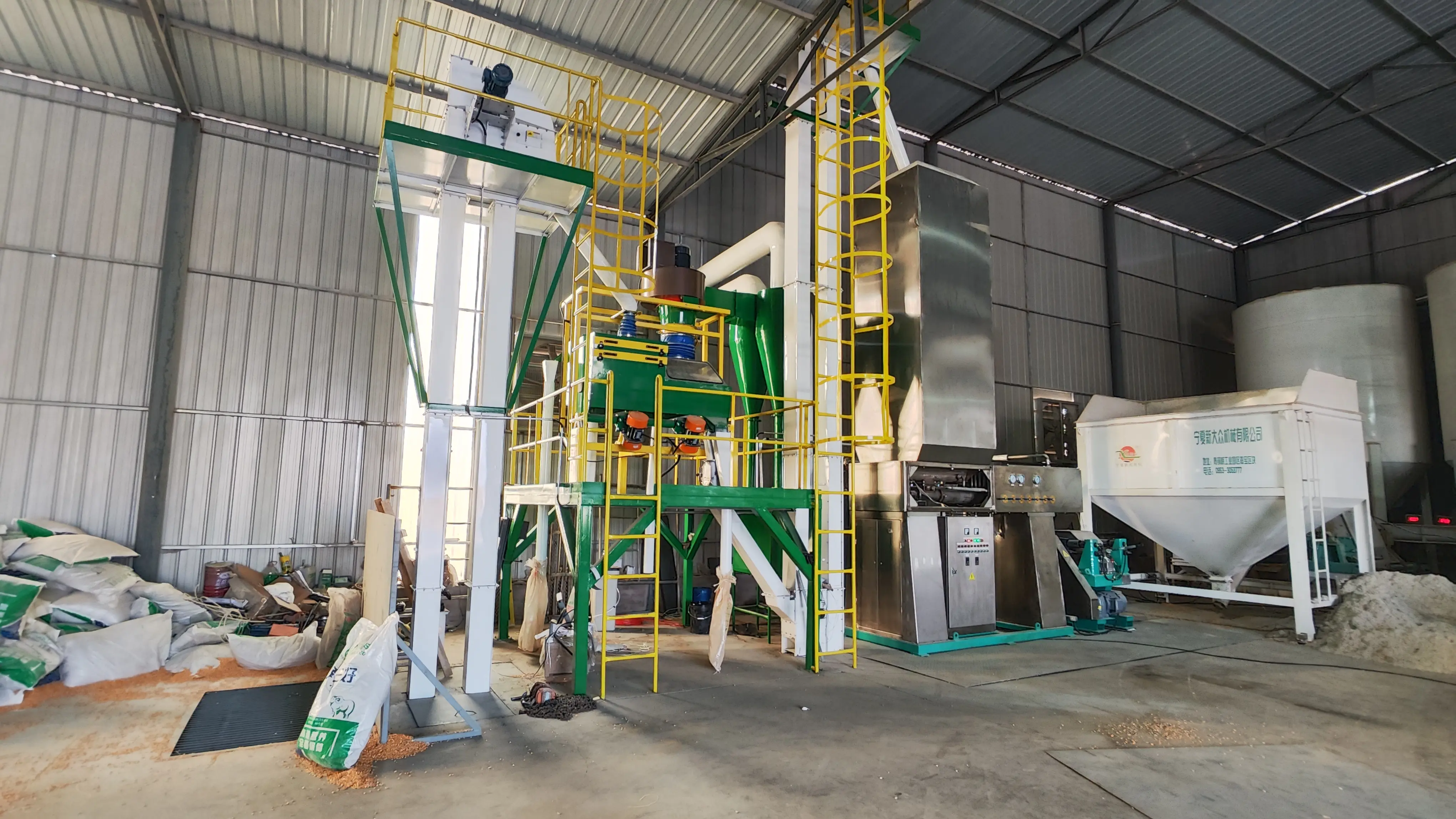
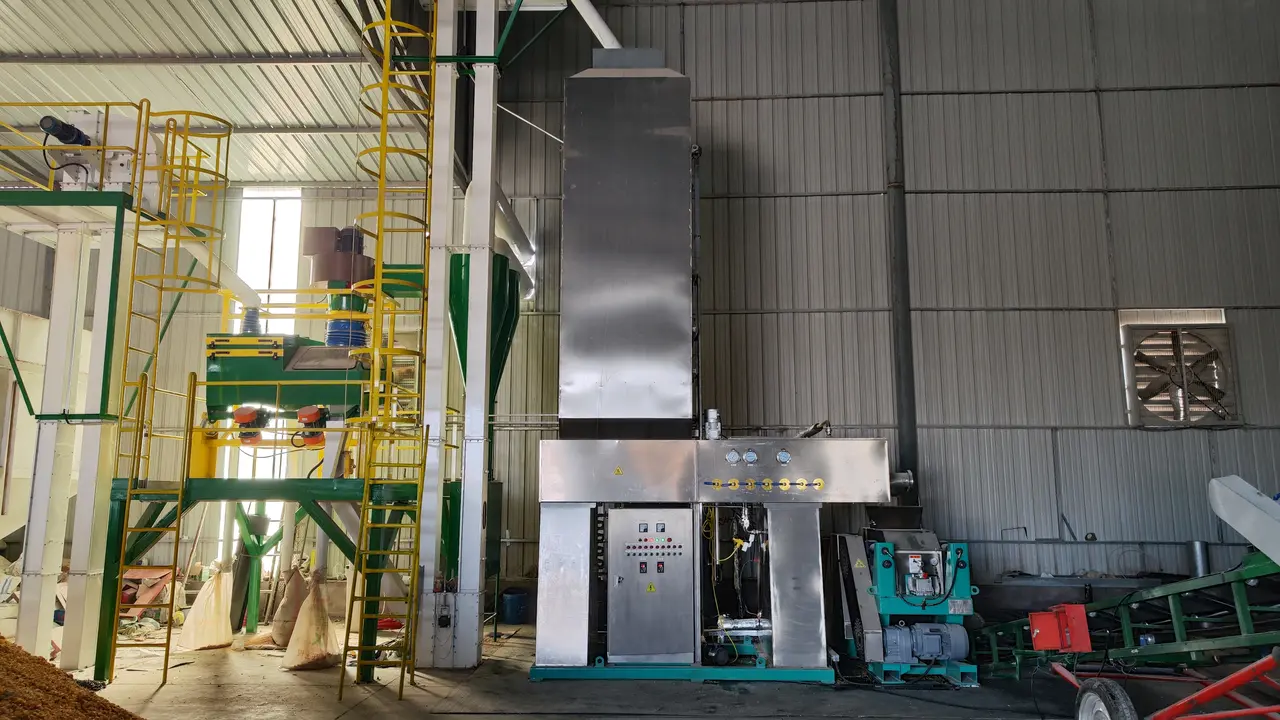
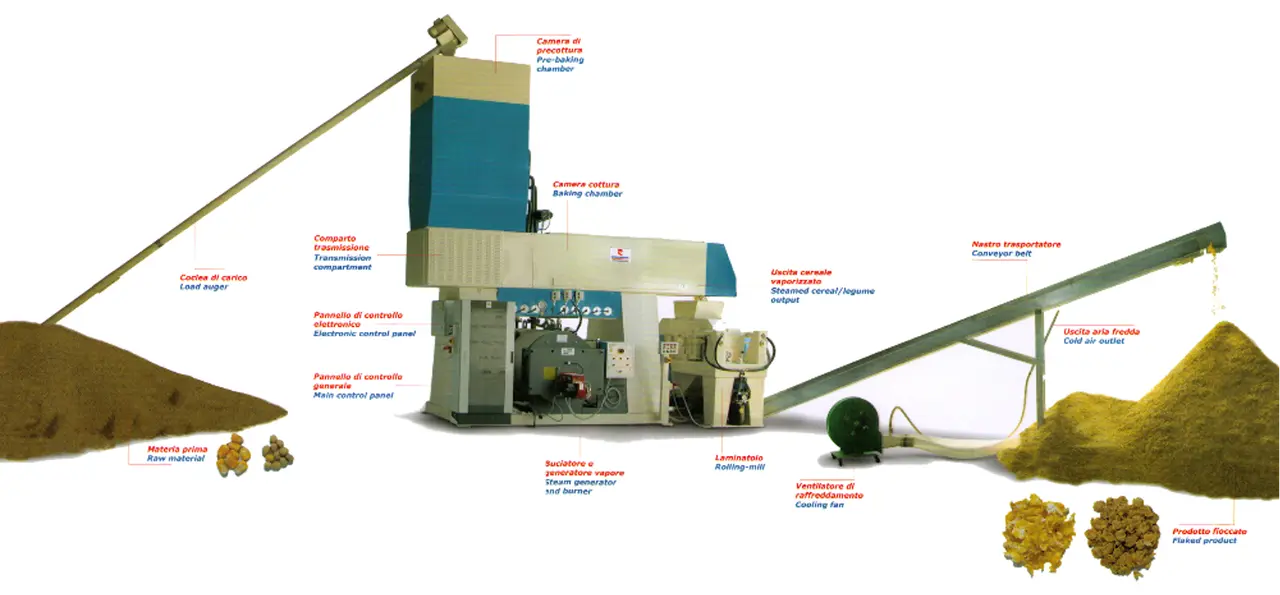
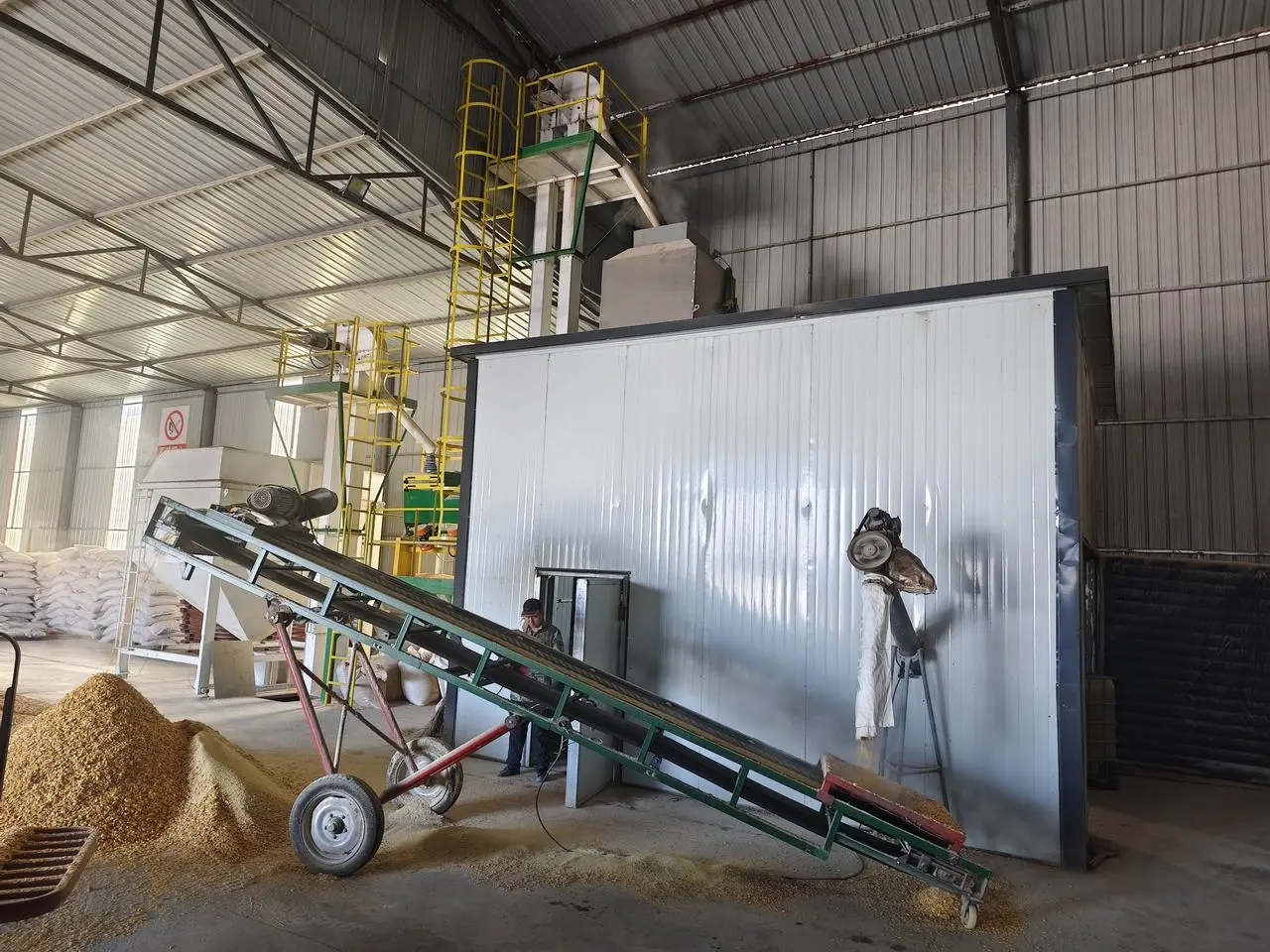
Jinhelai's project adopted an integrated corn processing solution that brings together raw grain receiving, cleaning, elevation, conveying, steam conditioning, and roller flaking.
After entering the receiving section, the corn passes through cleaning equipment to remove some of the impurities before being conveyed to the integrated steam flaking unit.
Inside the main unit, the corn undergoes steam conditioning, allowing it to absorb moisture and heat before entering the flaking section. The conditioned corn then passes through the roller flaking mill, where the rolls compress the kernels into flakes.
During the initial design stage, particular attention was given to the requirements of on-farm production. The proposed process used basic grain cleaning without separate soaking or drying stages, emphasizing the connection between corn processing and the farm's subsequent feeding operations.
This approach differs from centralized processing facilities designed for drying, long-term storage, and long-distance transportation of finished products. Jinhelai's system was configured primarily around the farm's own processing and feeding requirements.
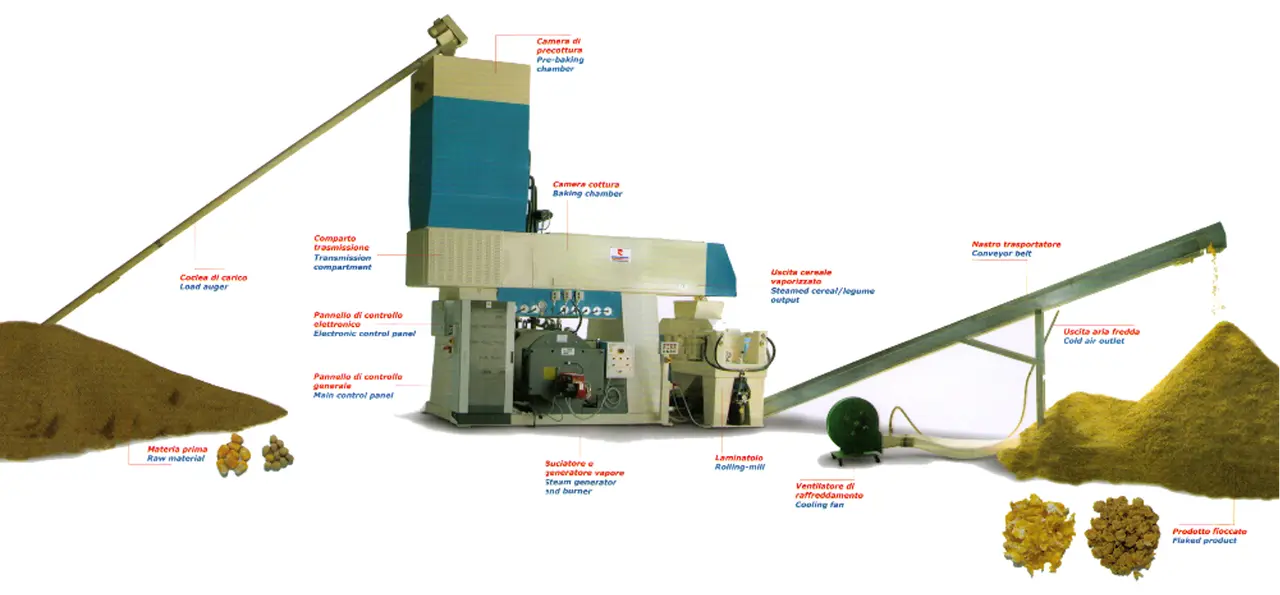
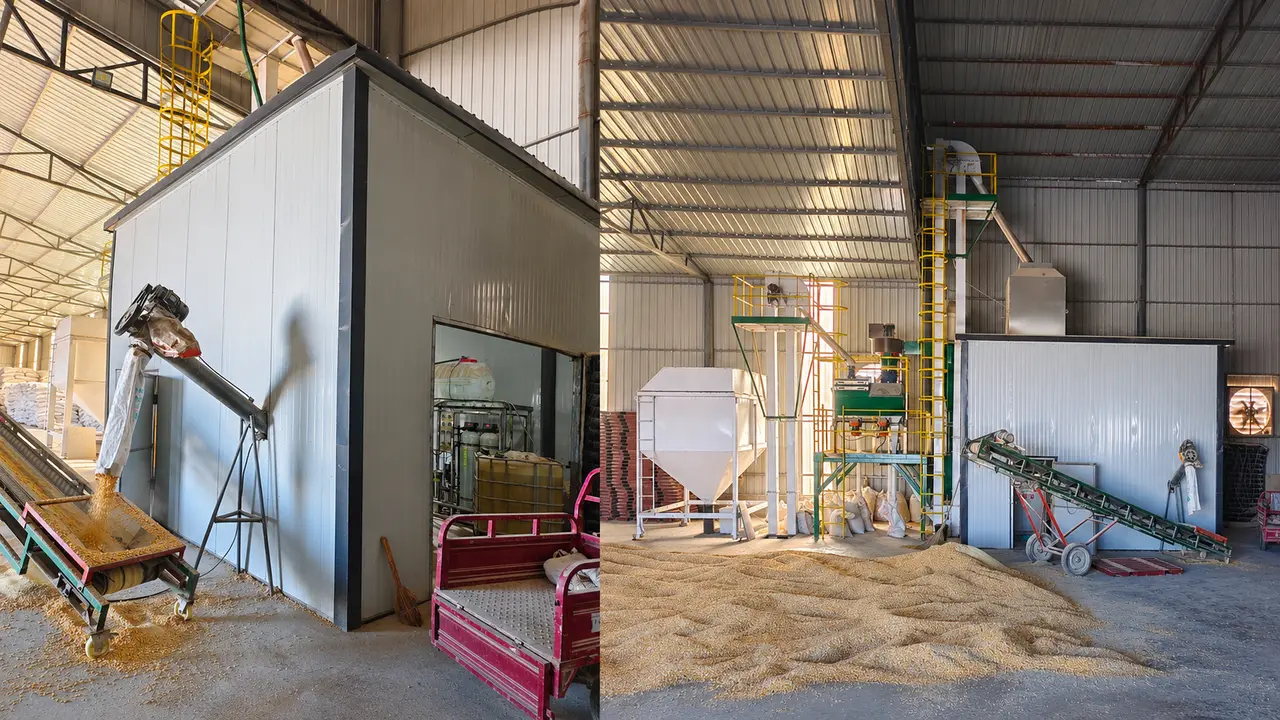
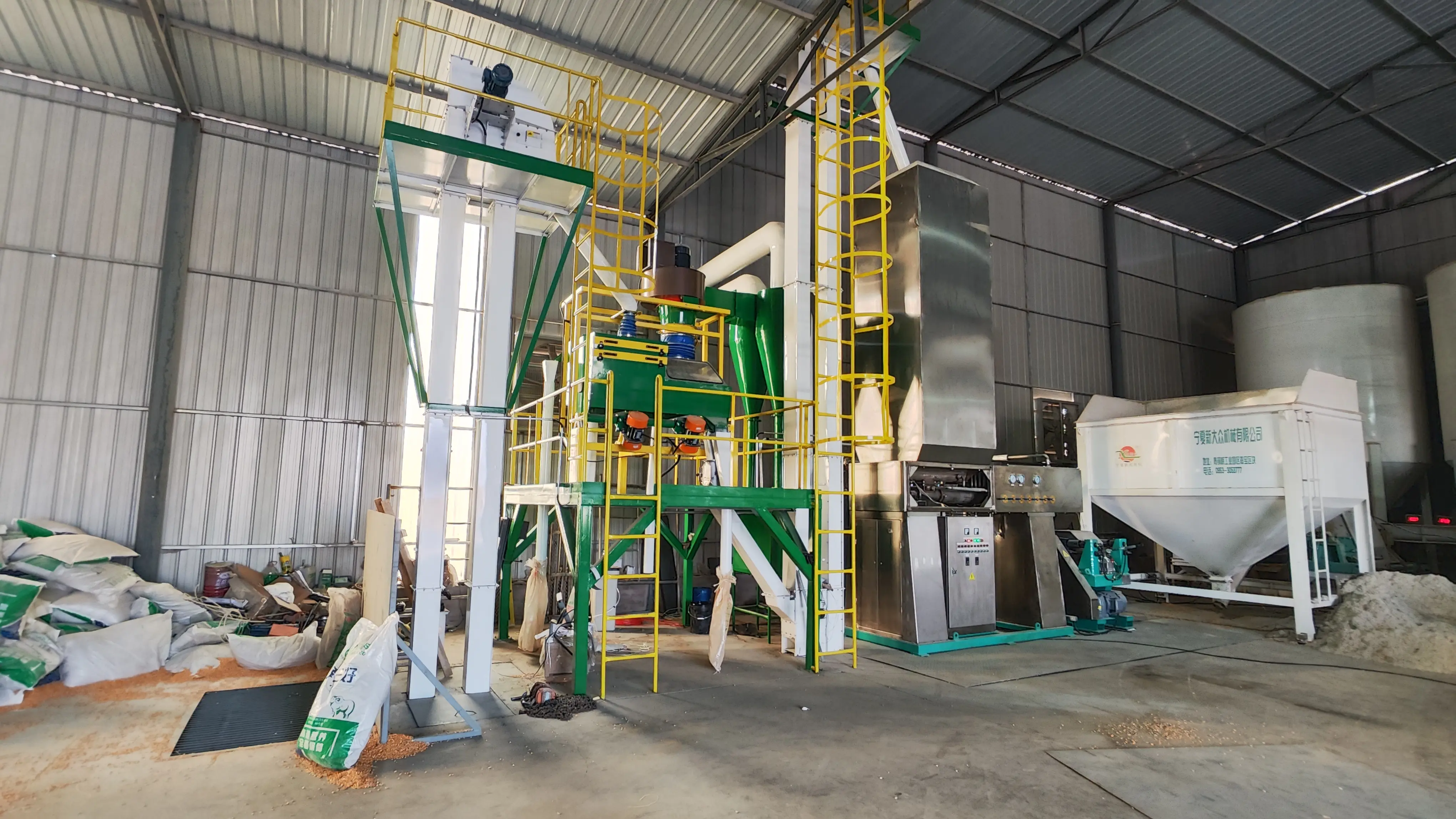
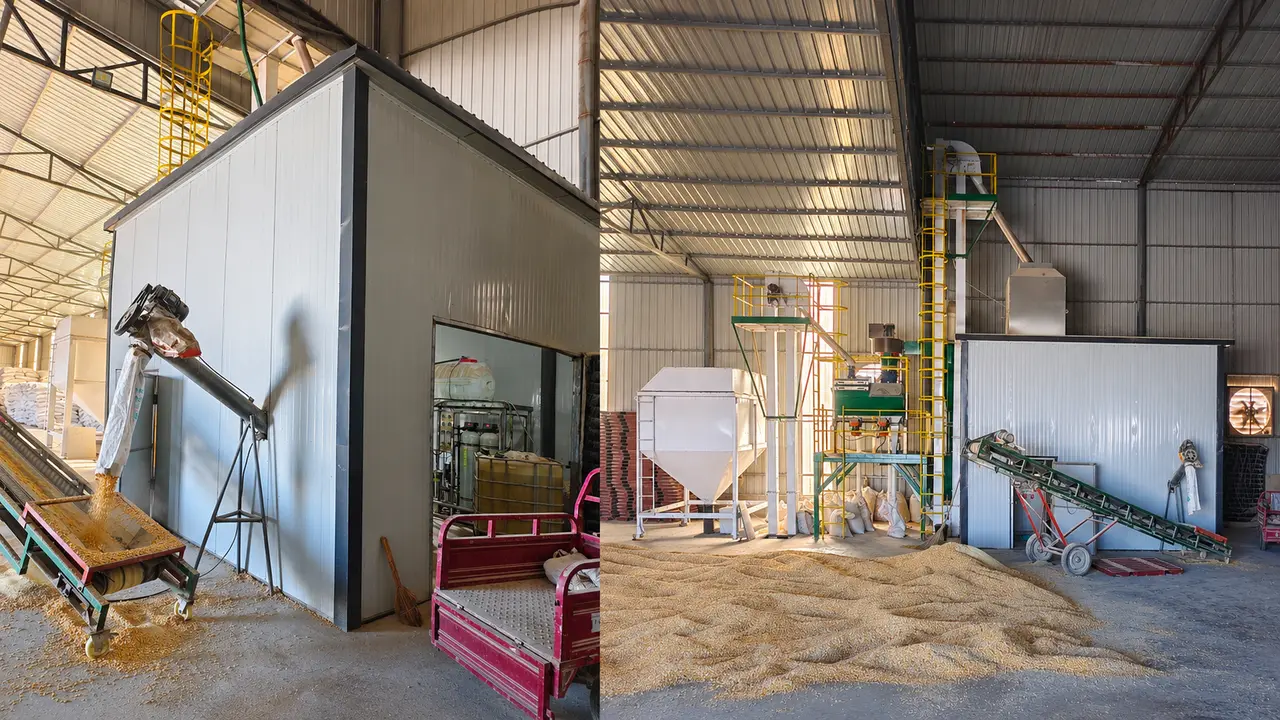
The project included raw grain receiving and cleaning equipment, elevators and conveyors, and a 2 TPH integrated steam flaking unit.
Raw Grain Receiving and Cleaning
A receiving pit screen, grain hopper, and combined grain cleaner handle corn receiving and preliminary cleaning before the material enters the conditioning and flaking process.
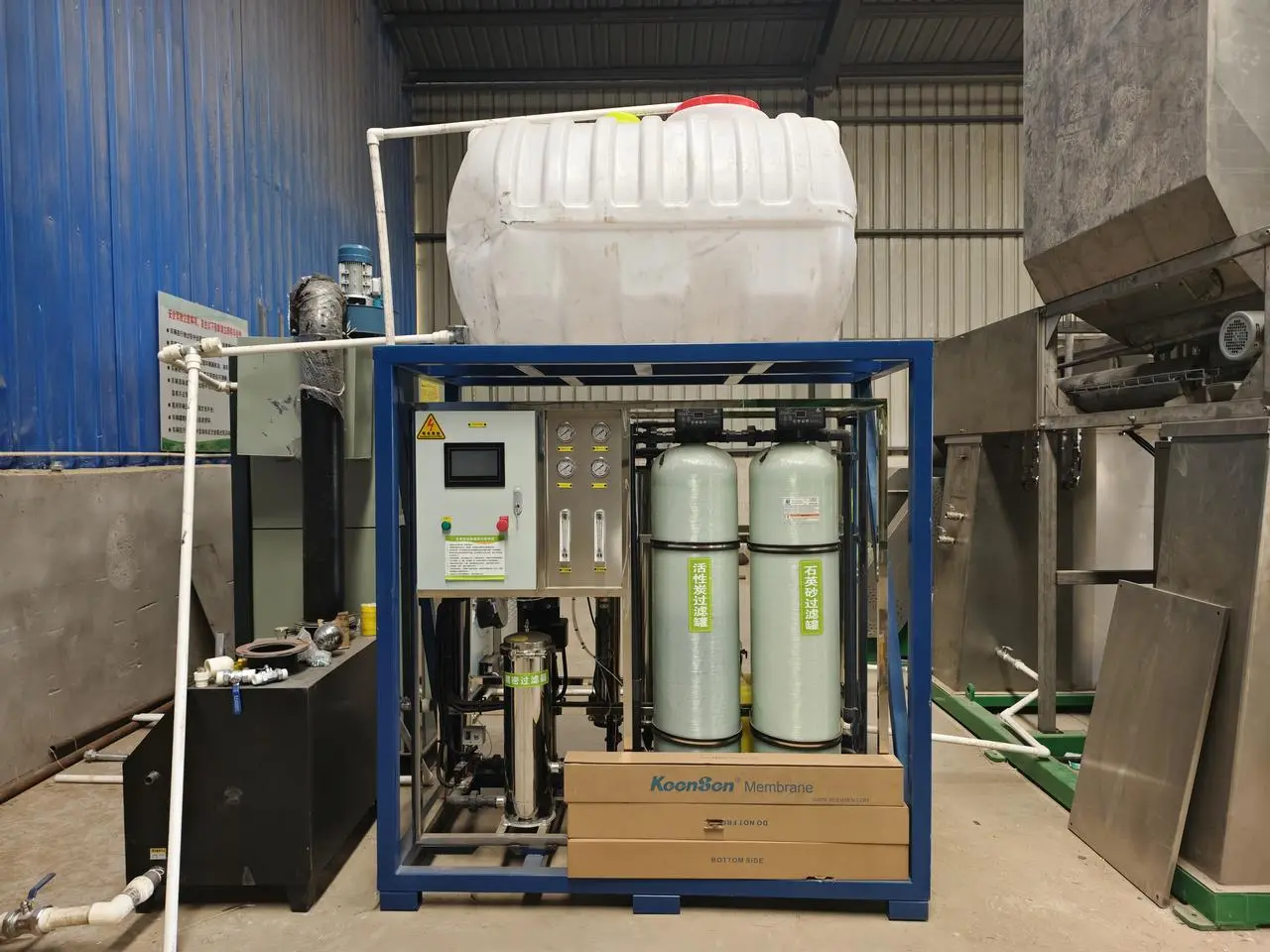
Elevation and Conveying
Elevators and conveyors transfer the corn from the receiving and cleaning areas to the main flaking unit while connecting with the existing conveying facilities on-site.
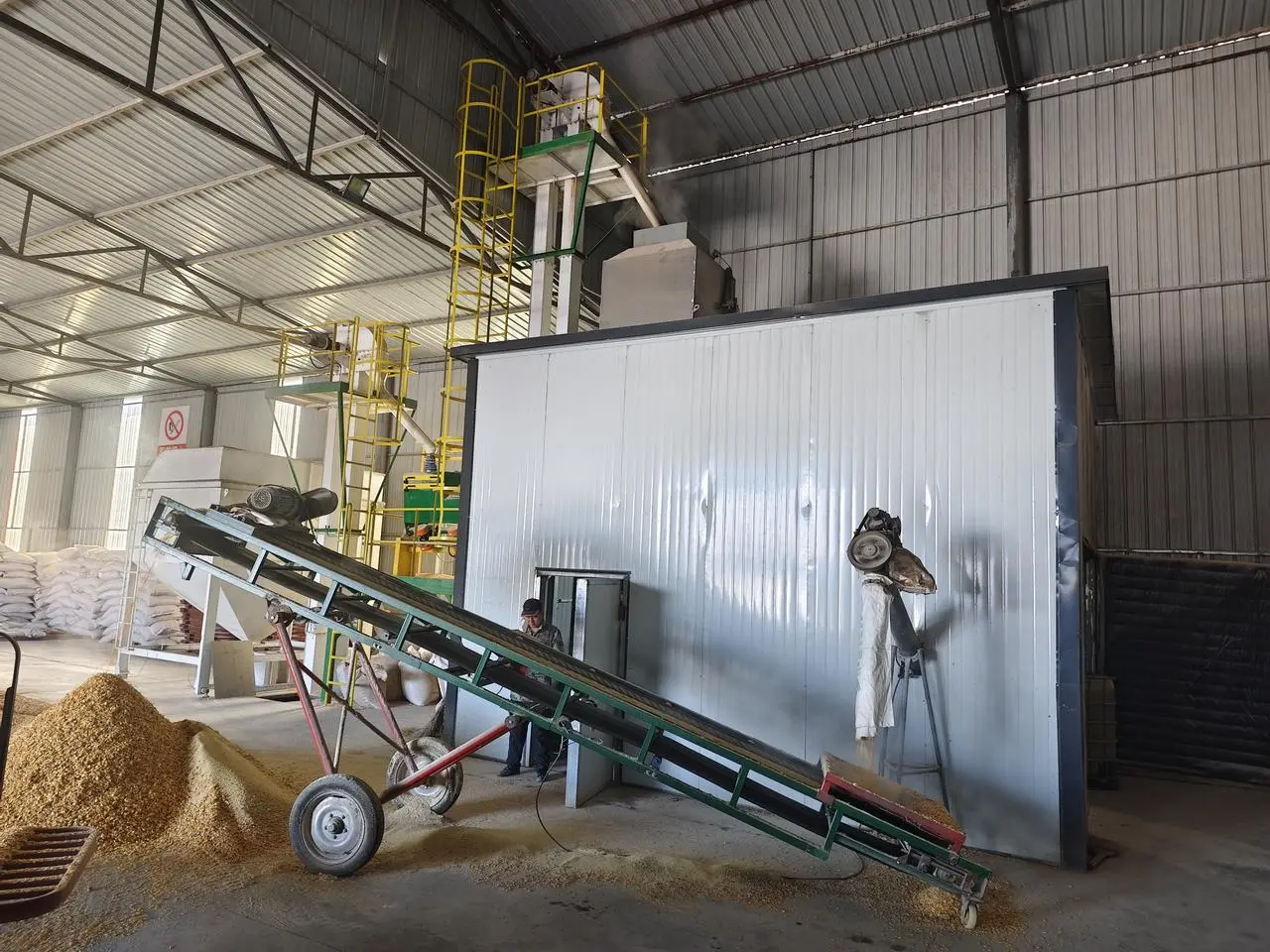
Steam Conditioning and Flaking
The integrated steam flaking unit combines steam conditioning and roller flaking in one processing system. It serves as the core equipment for producing steam-flaked corn according to the farm's feeding requirements.
In addition to equipment manufacturing and supply, the project scope included process design, equipment layout, on-site installation, commissioning, and operator training.
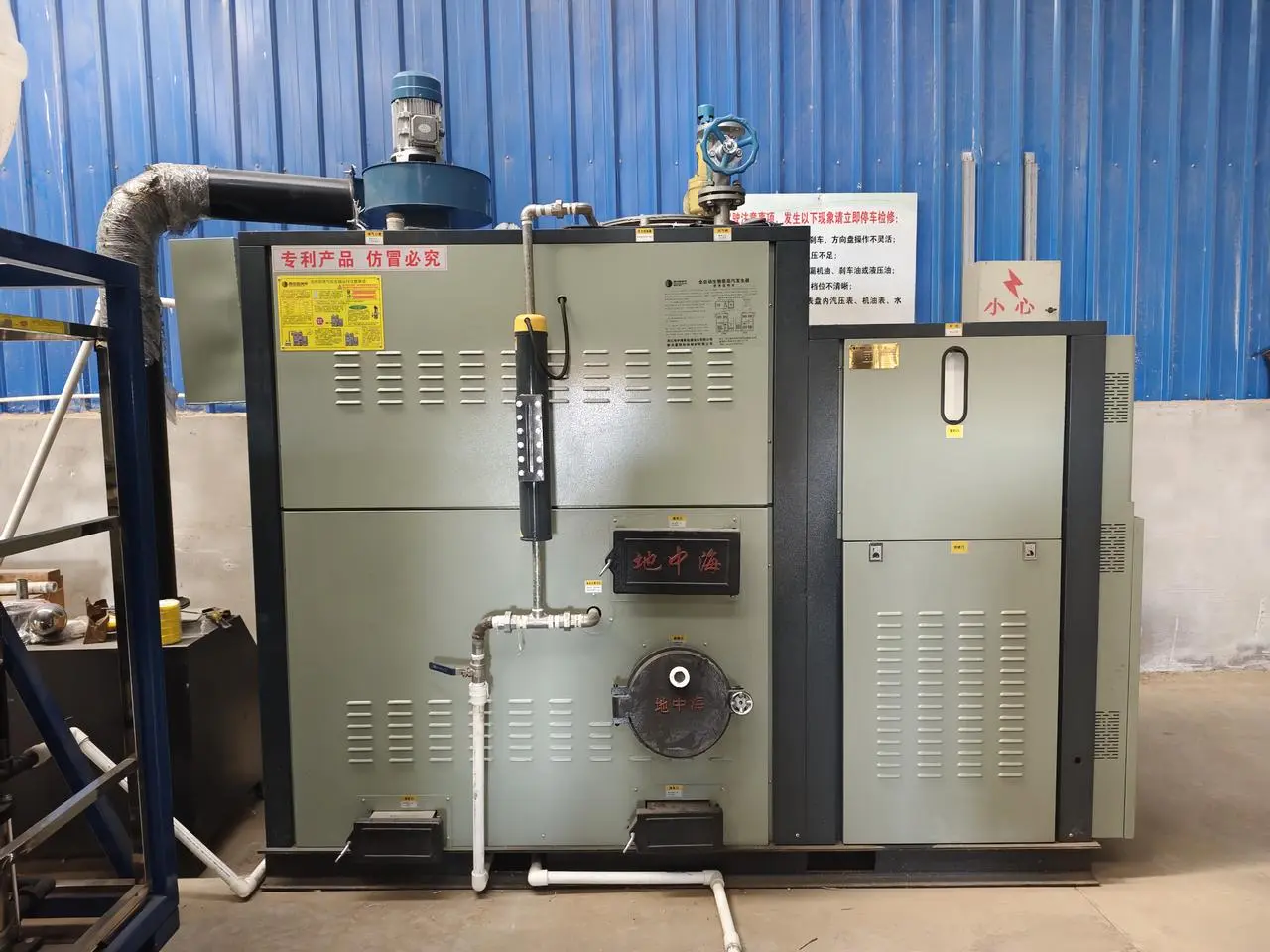
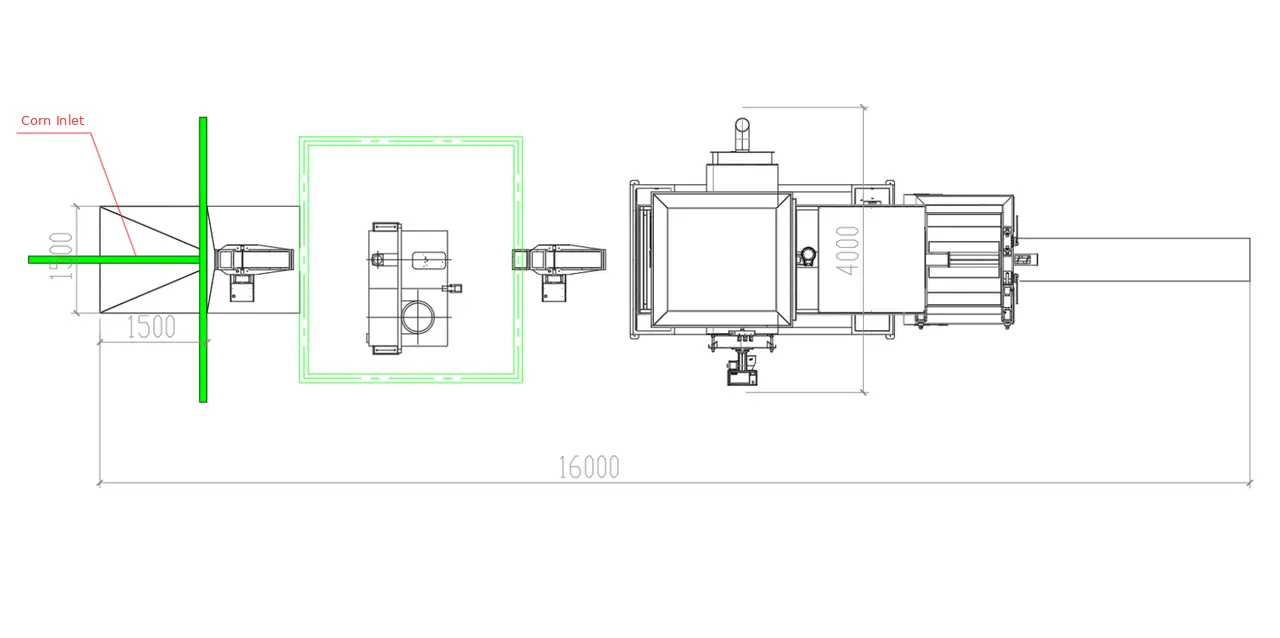
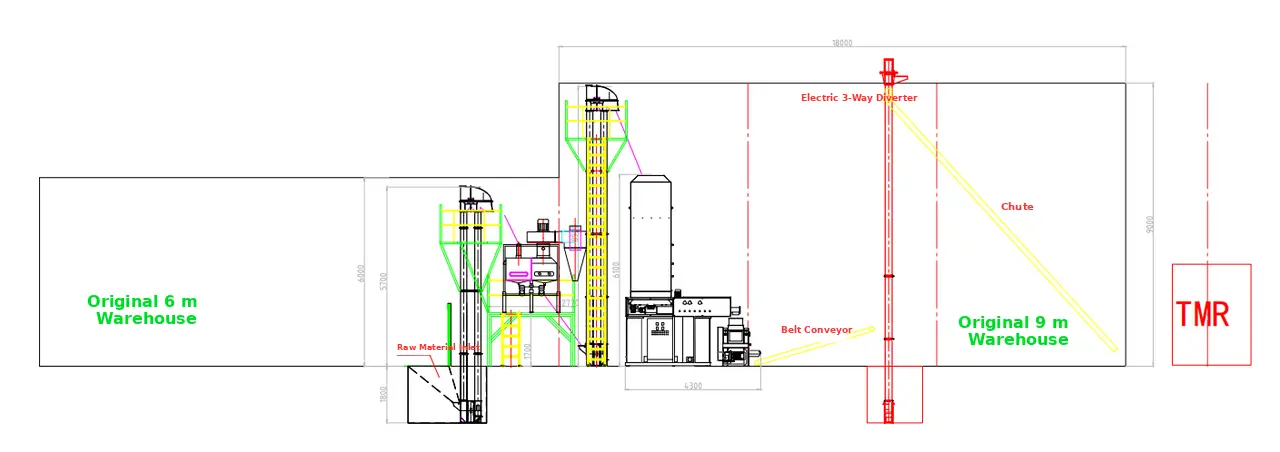
At the beginning of the project, both parties reviewed the farm's existing buildings and feed processing facilities and planned the new equipment layout according to the available space.
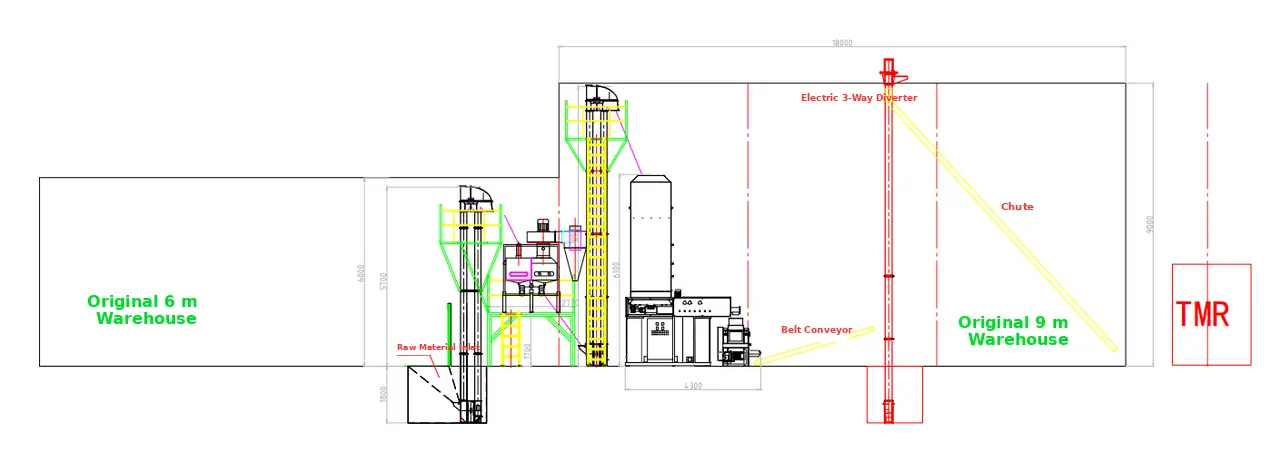
The engineering design made use of different building heights for the main flaking equipment and the raw grain receiving and cleaning sections.
Under the contract layout, the main processing equipment was arranged in an area with a building height of approximately 9 meters, while the grain intake and cleaning equipment were positioned in an area approximately 6 meters high.
This arrangement organized grain receiving, cleaning, elevation, and steam flaking in process order while taking the conveying connections between the different equipment sections into account.
For projects involving existing farm facilities, building height is only one of the conditions that needs to be checked. Equipment access, raw material intake locations, grain elevation, and the connection between the flaking mill outlet and existing facilities all need to be considered during the design stage.
Jinhelai's new steam flaking system was not designed as a completely independent installation separated from the farm's existing facilities.
Integrating the equipment into the existing feed processing environment also required adjustments to the original elevator and conveying routes.
The project arrangements included extending the existing elevator to approximately 9 meters and adding a manual three-way diverter at its outlet to accommodate the revised material conveying requirements.
The site work also involved coordinating wall openings and material transfer interfaces between two working areas, allowing the new equipment to connect with the farm's existing feed processing facilities.
During installation preparation, the original grinding system also needed to be relocated to provide sufficient space for the new steam flaking equipment.
These arrangements highlight an important feature of the project: equipment selection was not determined by hourly processing capacity alone. The new system also had to fit the existing buildings, equipment, and production workflow.
The Jinhelai project got underway in August 2023.
During the initial discussions, both parties reviewed the farm's cattle population, steam-flaked corn requirements, target processing capacity, and site conditions.
Once the main requirements were established, the project team developed a 2 TPH steam-flaked corn processing solution and visited the customer's site in late August to examine the existing buildings, equipment, and installation conditions.
On August 31, 2023, both parties signed the equipment contract, and the project moved into equipment manufacturing and implementation preparation.
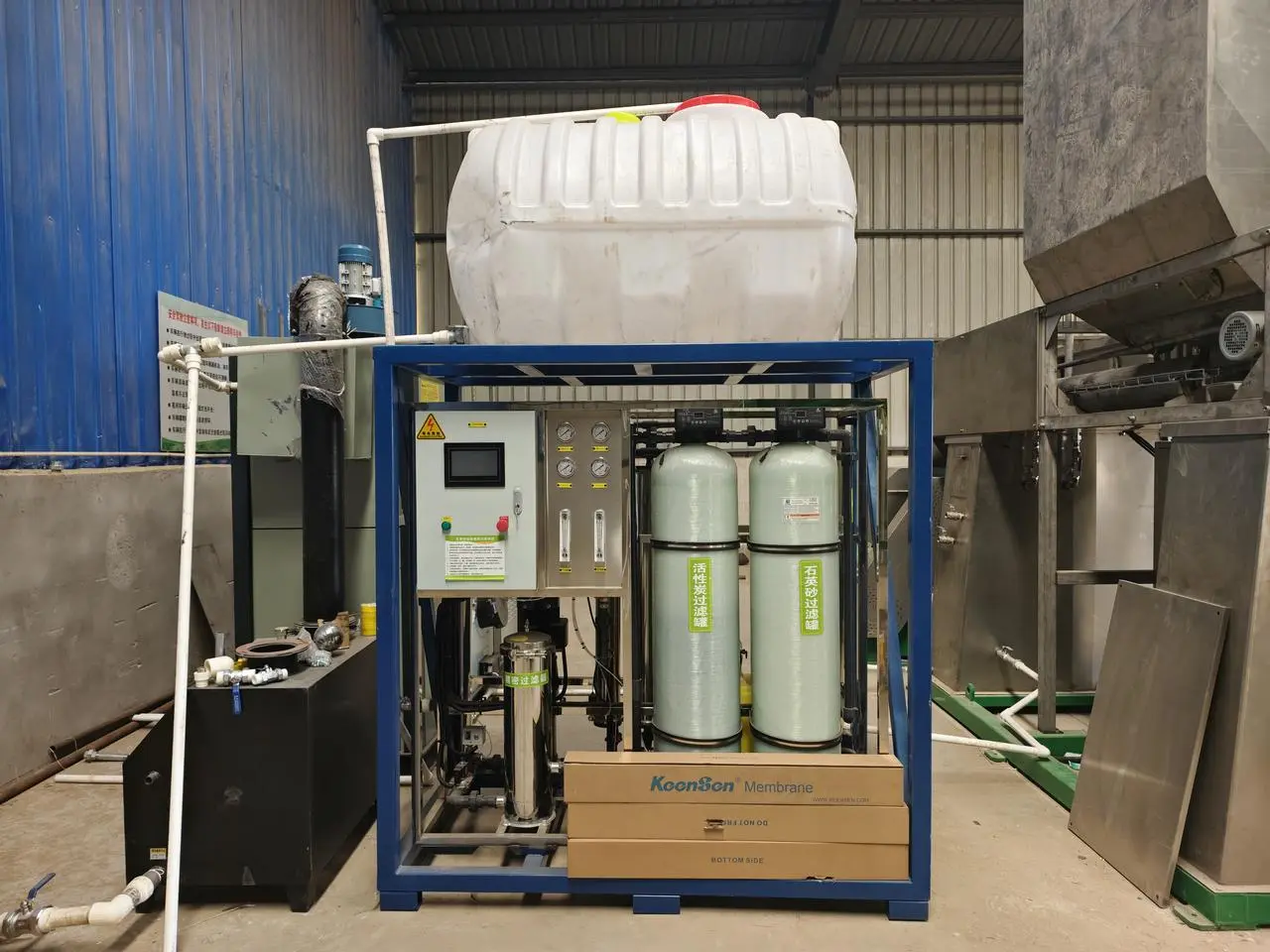
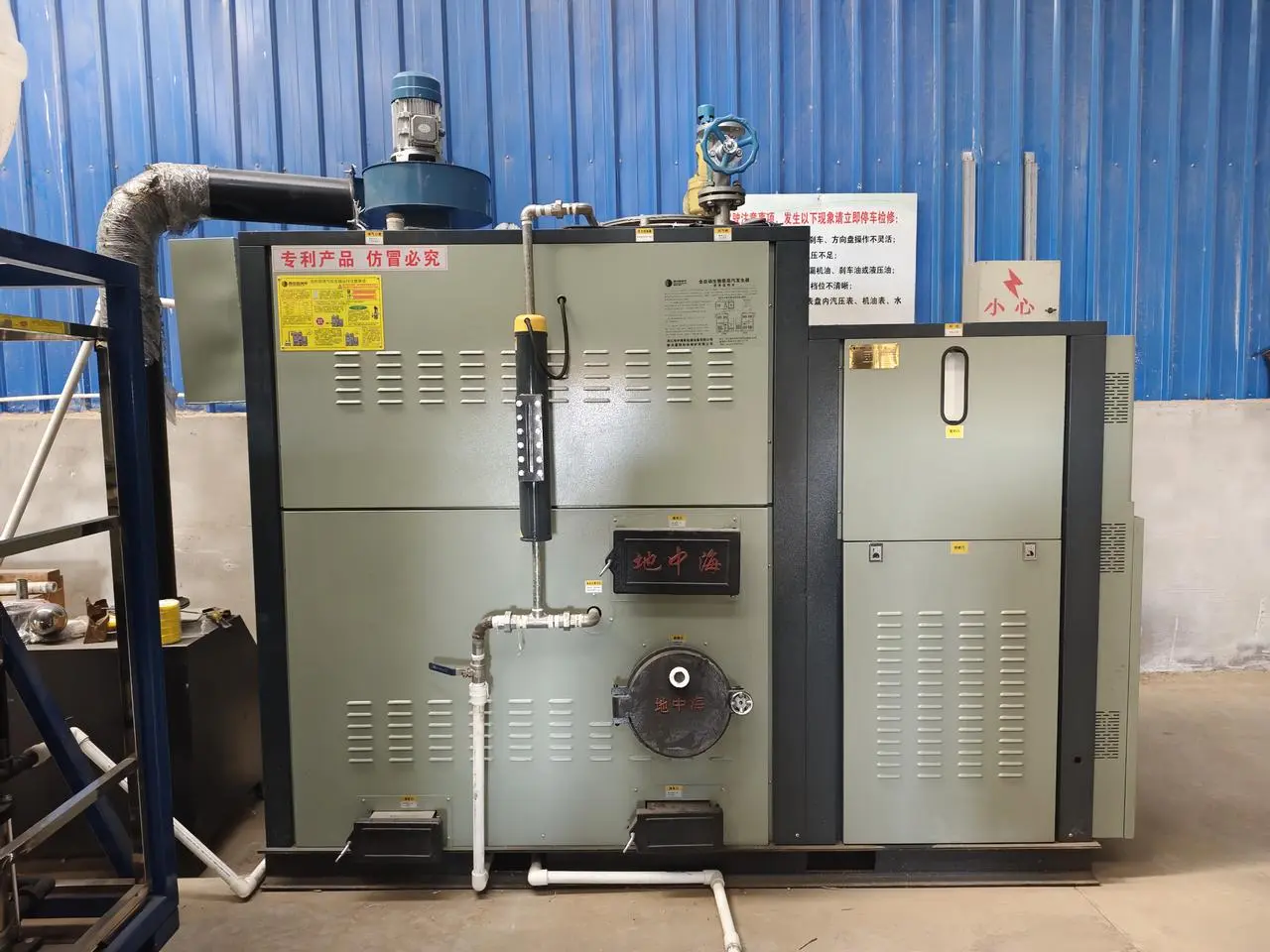
Further coordination focused on site conditions, including equipment layout, modifications to existing facilities, wall openings, raw grain intake locations, electrical supply, and steam generation requirements.
The project involved equipment manufacturing, on-site installation, commissioning, and operator training. The new system was handed over for operation in December 2023 and began serving the farm's steam-flaked corn processing needs.
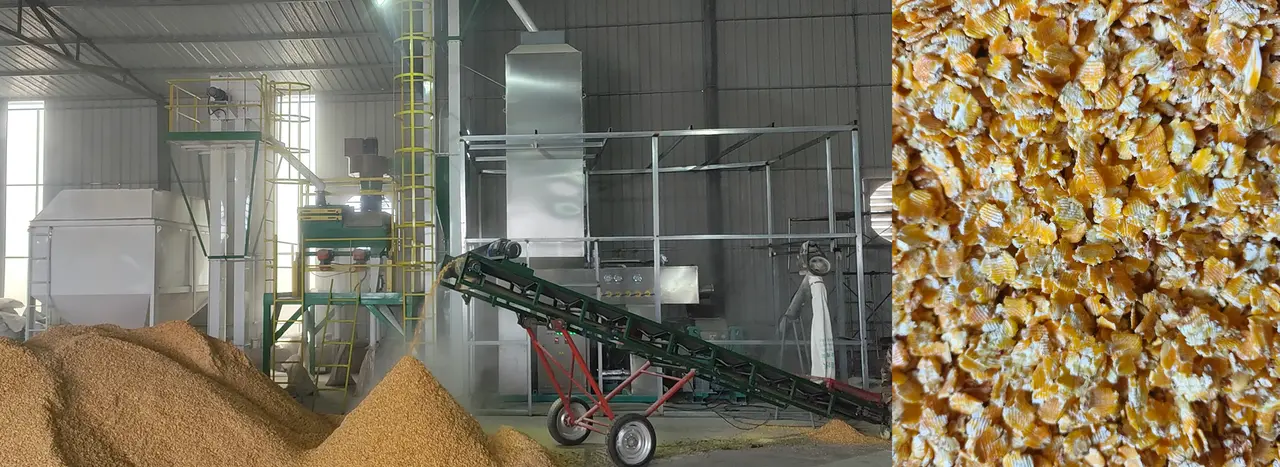
After handover, Jinhelai began using the system to produce steam-flaked corn for its own cattle farm.
During 2024 and 2025, the farm processed an average of approximately 8 tons of steam-flaked corn per day.
In 2026, the production schedule changed to approximately one processing run every two days, with about 8 tons produced per run.
The system operates as part of the farm's internal feed processing facilities, supplying steam-flaked corn for its own beef cattle feeding program.
Unlike a large centralized corn processing plant, Jinhelai's production is organized around the feed requirements of its own cattle operation. Its production records also reflect changes in processing frequency over different periods.